
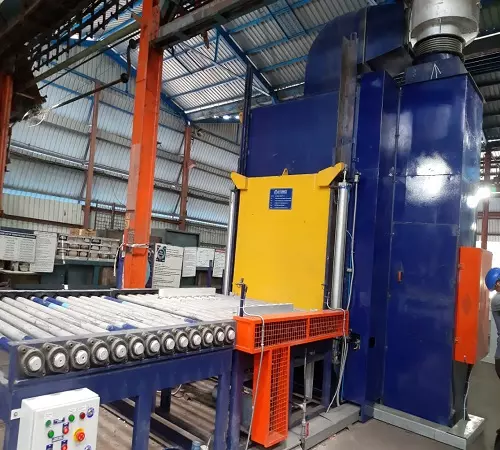
Industrial heating is important in manufacturing processes. From drying and curing to ageing, baking and preheating the right heating equipment can directly impact product quality, production time and operating costs.
An industrial oven is made to provide controlled and even heating for materials and parts used in production environments. However every manufacturing process is different. The needed temperature, load size, heating cycle, production volume and material being processed all affect the type of oven needed.
That is why choosing experienced Industrial Oven Manufacturers is important. A good oven should not just reach the needed temperature; it should offer temperature control, even heating, safe operation and consistent performance throughout the production cycle.
In this guide we will look at the types of industrial ovens their uses and the things to think about when choosing the right system for your manufacturing process.
What Is an Industrial Oven?
An industrial oven is a heating system made for manufacturing uses, where reliable Industrial Oven Manufacturers design solutions for drying, curing, ageing and other thermal processes.
Unlike ovens industrial ovens are made for continuous or repeated use and can handle bigger products, heavier loads and tough production conditions.
The build and setup of an oven depend on what it’s used for. Chamber size, insulation, heating method, airflow, temperature range, loading setup and control system can all be changed based on production needs.
Types of Industrial Ovens
Different applications require different oven designs, and Industrial Oven Manufacturers develop solutions based on production volume, heating requirements and material characteristics. Manufacturing processes need different heating setups. Some common types of ovens are as follows.
1. Batch Ovens
Batch ovens are made to process materials in loads. Products are put into the chamber the needed heating cycle is done and the load is taken out before the next batch is added.
They are useful for manufacturers who process products or need flexibility between production cycles. Temperature, heating time and other settings can be changed according to the batch.
Batch ovens are commonly used for drying, curing, ageing, preheating and other industrial heating uses.
2. Continuous Ovens
Continuous ovens are made for production lines where products need to move through the heating chamber
Depending on the use products can be moved using conveyors, rollers or other systems for moving materials. Continuous ovens are especially good for production volumes since they cut down on repeated manual loading and unloading.
Multiple heating zones can also be added when different temperature stages are needed during the process.
3. Drying Ovens
Drying ovens are used to remove moisture, solvents or other unwanted things from products and materials.
They are often used after washing, cleaning, coating or surface-treatment processes. Airflow and temperature distribution are important because uneven drying can affect the quality and look of the final product.
4. Curing Ovens
Curing ovens are used to heat coatings, paints, adhesives, resins, composites and other materials that need controlled treatment.
The oven must keep temperature conditions throughout the working area so that the material cures evenly. Bad temperature distribution can lead to curing or over-curing which can affect the final product.
5. Ageing Ovens
Ageing ovens are used for controlled ageing of materials and parts. They are especially important in uses involving aluminum and other metals where controlled heating is needed to get material properties.
Precise temperature control and even heat distribution are important for getting the results from one cycle to another.
6. Electric Ovens
Electric ovens use heating elements to make and control heat. They are good for uses where clean operation, accurate temperature control and even heating important.
Electric systems can be made in sizes and setups based on the needed temperature, chamber size, load capacity and production process.
Applications of Industrial Ovens
Reliable Industrial Oven Manufacturers are used in many different manufacturing industries. The specific use determines the needed oven setup and working conditions.
Common uses include:
• Curing paints and coatings
• Powder coating
• Paint baking
• Ageing aluminum parts
• Preheating materials
• Annealing
• Tempering
• Stress relief
• Resin and composite curing
• Baking
• Shrink fitting
• Die heating
• Mold and core heating
Industries using ovens include car making, aerospace, aluminum processing, electrical equipment, foundries, railways, composites and general engineering.
Why Is Temperature Uniformity Important?
Temperature uniformity is one of the important things in industrial oven performance.
Think about a situation where one part of an oven’s much hotter than another. Products in the area might get too much heat while products in the cooler area might not get enough. This can lead to drying, curing, ageing or other thermal processes.
A designed oven aims to keep a consistent temperature throughout the working area.
Several things can affect temperature uniformity, including:
• Air movement
• Insulation quality
• Chamber shape
• Fan size
• Airflow direction
• Temperature control systems
Experienced Industrial Oven Manufacturers focus on proper airflow design, insulation and temperature control systems to maintain uniform heating.
How to Choose the Right Industrial Oven
Selecting the right equipment from trusted Industrial Oven Manufacturers requires understanding the process, production requirements and operating conditions.
Temperature Requirement
Find out the highest temperature needed for your use. The oven should be able to keep the needed temperature throughout the heating cycle.
Load Size and Weight
Think about the size, weight and number of products that will be processed. Big or heavy items may need loading setups while smaller items might work with trays, racks or conveyor systems.
Production Volume
Production volume is another thing to think about.
For small or changing production batches a batch oven may give flexibility. For large-volume production a continuous oven can give output and cut down on handling time.
Heating Method
The choice between fuel-based heating depends on several things, including needed temperature, available energy sources, operating costs, process needs and factory conditions.
Airflow and Heat Distribution
Uses like drying and curing need air movement. The airflow system should be designed to disperse heat within the chamber without causing significant temperature variations.
Control and Automation
Modern industrial ovens can have temperature controllers, sensors, PLC systems, HMI interfaces, alarms, data tracking and automated cycle management.
The level of automation needed depends on the production process and the amount of control the manufacturer needs.
Energy Efficiency
Professional Industrial Oven Manufacturers also consider energy-saving designs to reduce heat loss and improve long-term operating efficiency.
Why Choose Experienced Industrial Oven Manufacturers?
An industrial oven is not a chamber with a heating system. Its design must fit the material, process, production capacity, temperature needs and available factory space.
Experienced Industrial Oven Manufacturers can look at these needs before suggesting the setup.
Depending on the use customization can include:
• Heating setup
• Number of heating zones
• Loading and unloading system
• Conveyor or roller setup
• Insulation
• Exhaust system
• Temperature controls
• PLC automation
• Safety systems
This focus on the application is especially helpful when a standard oven cannot meet production needs.
Industrial Oven Manufacturers in India: What Should Buyers Look For?
When looking at Industrial Oven Manufacturers in India buyers should look beyond the price of the equipment.
Think about the manufacturers engineering experience, ability to customize, quality of parts, temperature control systems, insulation design, installation support, maintenance help and experience with industrial uses.
It is also helpful to give the manufacturer info before asking for a quote.
Important info includes:
• Maximum load
• Required operating temperature
• Heating time
• Production quantity
• Available floor space
• Loading and unloading method
• Needed automation
• heating source
Giving accurate info lets the manufacturer understand the use better and suggest a better oven setup.
Why JR Furnace for Industrial Heating Solutions?
JR Furnace & Ovens is one of the experienced Industrial Oven Manufacturers offering furnace and oven solutions for different manufacturing and thermal-processing needs.
The company’s products include oven setups such as batch ovens, continuous ovens, curing ovens drying ovens, ageing ovens, electric ovens and other special heating systems.
Each use can need a way. Things like temperature range, load capacity, heating method, chamber size, production volume and automation needs can change the design.
For manufacturers looking for a heating solution talking about these needs with an experienced supplier can help in picking equipment that is better suited to their real production process.
Industrial ovens are a part of many manufacturing processes from drying and curing to ageing, baking, preheating and other controlled heating uses.
There is no oven design that works for every industry. Batch ovens can offer flexibility for production loads while continuous systems can support high-volume production. Drying, curing, ageing and electric ovens are made for their specific process needs.
So choosing from Industrial Oven Manufacturers should not be based on the price. Temperature uniformity, energy efficiency, automation build quality, customization, service help and the manufacturers understanding of your process should also be considered.
A chosen industrial oven can give more consistent processing improve production efficiency and support reliable product quality for a long time.
Frequently Asked Questions
1. What is an industrial oven used for?
An industrial oven is used for controlled heating processes, like drying, curing, ageing, baking, preheating, annealing and other thermal-processing uses. The needed oven design depends on the material, temperature, load size and production process.
2. How do I choose the industrial oven?
Consider the required operating temperature, product dimensions, load weight, production volume, heating method, heating cycle, airflow, temperature uniformity, energy consumption and level of automation. An experienced manufacturer can help match these requirements with a configuration.
3. Can industrial ovens be customized?
Yes. Industrial ovens can be customized according to chamber dimensions, temperature range, loading system, heating method, airflow arrangement, insulation, controls, automation and specific production requirements.