
Introduction
Reaching a specific temperature is not the only goal of industrial heating. The material must be heated at a regulated rate, maintained at the necessary temperature, and cooled under the right circumstances in various manufacturing processes. A component’s final qualities can be impacted by even slight variations in the heating cycle.
For enterprises engaged in metal processing, heat treatment, engineering, automotive components, aerospace applications, forging, and other production processes, selecting the best electric furnace manufacturer is crucial.
An industrial electric furnace produces controlled heating within an insulated chamber using electrical energy. These furnaces can be set up for various temperatures, load sizes, heating cycles, and automation levels based on the design, capacity, and process requirements.
Instead of just selecting a standard model, businesses seeking consistent production outcomes should choose the furnace based on the material, application, production volume, and necessary temperature uniformity.
An Industrial Electric Furnace: What Is It?
An industrial electric furnace manufacturer is a type of heating system that uses electrical energy to heat components or materials. The furnace’s internal heating components transform electrical energy into heat, which is subsequently applied to the workpiece via regulated heating.
An industrial furnace is built with the entire production demand in mind, in contrast to a simple heating chamber. Furnace performance is influenced by chamber size, insulation, heating components, temperature sensors, control systems, airflow, and loading configurations.
In order to fit the equipment with the customer’s process, a reputable electric furnace manufacturer takes these elements into account throughout the design phase.
Industrial electric furnaces can be used for applications including:
- Annealing
- Hardening
- Tempering
- Stress relieving
- Normalizing
- Carburizing
- Carbonitriding
- Gas nitriding
- Wire annealing
- Decarburizing
- Ageing and precipitation heat treatment
The exact furnace configuration depends on the material being processed and the desired metallurgical result.
How Does an Electric Furnace Work?
The basic working principle of an electric furnace is straightforward. Electrical power is supplied to heating elements, which generate heat through electrical resistance. The heat is transferred into the furnace chamber and eventually to the components being processed.
However, achieving consistent industrial results requires much more than simply generating heat.
A typical heating cycle involves several stages:
1. Loading
Components are loaded into the furnace according to the specified load arrangement. Proper positioning helps maintain suitable heat circulation and temperature distribution.
2. Heating
The temperature is increased according to the programmed heating cycle. The heating rate can be controlled depending on the material and process.
3. Soaking
After reaching the required temperature, the components are held for a predetermined period. This allows the material to reach a more uniform temperature throughout the load.
4. Process Holding
Some heat treatment applications require a controlled holding period to achieve the desired metallurgical transformation.
5. Cooling
The material is cooled according to the process requirement. Depending on the application, cooling may involve air, oil, water, gas or another controlled method.
A properly engineered electric furnace manufacturer focuses on maintaining control throughout these stages rather than only on the maximum furnace temperature.
Why Industries Use Electric Furnaces
Electric furnaces are widely used where accurate and repeatable heating is important. Their design allows manufacturers to control the heating cycle through temperature controllers, programmable systems and other automation components.
Some important advantages include:
Precise Temperature Control
Temperature control is one of the major reasons industries select electric heating systems. A properly designed furnace can maintain the required process temperature and reduce unwanted temperature fluctuations.
Uniform Heating
Good insulation, suitable heating-element placement and proper chamber design contribute to temperature uniformity. Uniform heating is particularly important when treating multiple components in the same batch.
Cleaner Heating Process
Electric heating does not require combustion inside the furnace chamber in the same way as fuel-fired systems. This can make electric heating suitable for processes where a clean and controlled heating environment is required.
Automation
Modern industrial furnaces can be integrated with programmable temperature controllers, PLC systems, HMI interfaces and other monitoring systems. This allows operators to manage and record important process parameters.
Flexible Furnace Design
An experienced electric furnace manufacturer in India can design furnace configurations around different load capacities, dimensions, temperatures and production requirements.
Repeatable Production
When temperature, time and other process parameters are controlled consistently, manufacturers can achieve more repeatable heat treatment results from batch to batch.
Applications of Industrial Electric Furnaces
The application of an industrial electric furnace depends on the material and process being carried out. Different industries require different furnace configurations.
Heat Treatment of Steel Components
Steel components may require annealing, hardening, tempering, normalizing or stress relieving. Electric furnaces can provide the controlled heating conditions required for these processes.
Stress Relieving
Machining, welding, forming and fabrication can introduce internal stresses into metal components. Controlled heating can be used to relieve these stresses before the components move to the next stage of production.
Annealing
Annealing involves heating a material to a specified temperature followed by controlled cooling. The process can be used to modify material properties and improve workability.
Hardening and Tempering
Heat treatment furnaces are commonly used to heat steel components before hardening and subsequent tempering. The furnace must provide suitable temperature control for the particular material and process.
Aluminium Heat Treatment
Electric heating systems can also be configured for aluminium-related applications such as solution treatment, ageing and other controlled thermal processes.
Wire and Cable Processing
Specialized electric furnaces can be used for wire annealing and related applications where controlled and consistent heating is important.
What to Consider When Choosing an Electric Furnace Manufacturer
Choosing an electric furnace manufacturer should involve more than comparing equipment prices.
The following factors should be considered before finalizing a furnace.
Furnace Capacity
The required batch size and component dimensions determine the chamber size and loading capacity. A furnace that is too small can restrict production, while unnecessary capacity can increase the initial investment and operating requirements.
Operating Temperature
The material and application determine the necessary temperature.The furnace should be designed to achieve the required working temperature while maintaining suitable temperature stability.
Temperature Uniformity
Temperature uniformity is critical when several components are treated together. Ask the manufacturer about the furnace’s temperature distribution and how uniformity is achieved.
Heating Elements
Heating elements are an important part of an electric furnace. Their selection depends on factors such as operating temperature, furnace design and expected service conditions.
Insulation
Effective insulation helps reduce heat loss and supports stable furnace operation. The insulation system should be selected according to the operating temperature and furnace construction.
Control System
A programmable temperature controller may be sufficient for some applications, while larger production systems may require PLC, HMI, data recording or SCADA integration.
Loading Arrangement
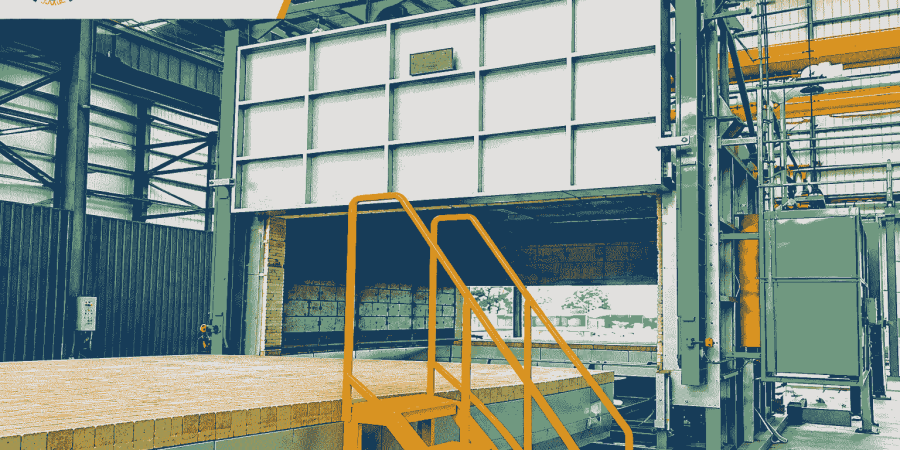
Depending on the component size and weight, the furnace may require a chamber-type, bogie hearth, pit-type, batch or continuous arrangement.
Maintenance and Service
Industrial furnaces are long-term production equipment. Spare-parts availability, technical support, commissioning and after-sales service should therefore be considered during supplier selection.
Why Custom Furnace Design Matters
Every manufacturing process has its own requirements. Two companies may process similar materials but still need different furnace configurations because their component dimensions, production volume, heating cycles and loading methods are different.
For this reason, a good electric furnace manufacturer should first understand the application before recommending the furnace.
Important design factors can include:
- Component dimensions
- Maximum load weight
- Required temperature
- Heating rate
- Holding time
- Production capacity
- Loading and unloading method
- Atmosphere requirements
- Temperature uniformity
- Automation requirements
- Available electrical power
- Factory space
A customized approach can help ensure that the furnace fits into the actual production process instead of forcing the process to adapt to a generic machine.
Electric Furnace vs Fuel-Fired Furnace
Both electric and fuel-fired furnaces have applications in industrial heating. The right choice depends on the process rather than one method being suitable for every industry.
Electric furnaces are often considered where precise temperature control, clean heating and automation are important. Fuel-fired systems can be appropriate for applications involving different heating requirements, large-scale thermal processing or specific production conditions.
The decision should take into account:
- Required operating temperature
- Heating cycle
- Production volume
- Energy availability
- Temperature uniformity
- Atmosphere requirements
- Installation conditions
- Operating cost
- Maintenance requirements
An experienced electric furnace manufacturer can help evaluate these factors before finalizing the furnace configuration.
Industrial Electric Furnace From JR Furnace
JR Furnace & Ovens manufactures industrial furnace systems for different heat treatment and industrial heating requirements. Its product range includes industrial electric furnaces along with several other furnace configurations used for processes such as annealing, hardening, tempering, stress relieving and related applications.
JR Furnace’s current industrial electric furnace offering describes options involving heating elements, temperature control and PLC/SCADA/HMI-based instrumentation, with furnace configurations designed around individual application requirements.
For industries that require a customized solution, the furnace design can be developed according to factors such as component dimensions, production volume, operating temperature and process requirements.
How to Select the Right Electric Furnace for Your Application
Before contacting an electric furnace manufacturer, it is useful to prepare basic information about your process.
Provide details such as:
- Material being processed
- Component dimensions
- Maximum batch weight
- Required operating temperature
- Heating rate
- Holding or soaking time
- Required production capacity
- Loading and unloading method
- Atmosphere requirements
- Desired control and data-recording system
This information helps the furnace manufacturer understand the actual application and recommend a suitable design.
Instead of selecting a furnace only from a catalogue, manufacturers should consider how the equipment will operate within the complete production line.
Conclusion
An electric furnace can play an important role in industrial heat treatment where controlled heating, temperature accuracy and repeatable processing are required. From annealing and stress relieving to hardening, tempering and other thermal applications, the furnace needs to be designed around the material and production process.
Choosing the right electric furnace manufacturer therefore involves looking at more than furnace size or purchase price. Temperature uniformity, heating elements, insulation, controls, capacity, loading arrangement, automation and long-term service should all be considered.
JR Furnace & Ovens provides industrial furnace solutions designed for different heat treatment and manufacturing applications, including industrial electric furnace systems. For a suitable configuration, the furnace should be evaluated according to the actual component, process and production requirements.
Frequently Asked Questions
1. What is an industrial electric furnace?
An industrial electric furnace manufacturer is a heating system that uses electrical energy to generate controlled heat for processing metals and other materials. It can be designed for applications such as annealing, hardening, tempering, stress relieving and normalizing.
2. What does an electric furnace manufacturer consider when designing a furnace?
An electric furnace manufacturer generally considers the material, component dimensions, batch weight, operating temperature, heating cycle, production capacity, temperature uniformity, loading method, insulation and required control system before finalizing the furnace design.
3. Where are industrial electric furnaces used?
Industrial electric furnaces are used across industries such as automotive, aerospace, engineering, steel, forging, foundry, cable and conductor manufacturing and aluminium processing. The exact furnace configuration depends on the application.
4. How do I choose an electric furnace manufacturer in India?
Compare manufacturers based on their experience with your application, furnace design capability, temperature-control systems, customization options, testing practices, installation support and after-sales service. It is also important to provide complete process details before requesting a furnace proposal.