Industrial Oven
Are you looking for a reliable heating solution that improves production speed and ensures consistent results in your factory?
Heating plays a vital role in modern manufacturing. From drying coatings to tempering heavy metal parts, the right system improves quality and reduces downtime. An Industrial Oven supports multiple heat processes in foundry, automobile, rail wagon, aerospace, electrical, and heavy engineering industries.
JR FURNACE designs and supplies a wide range of heating systems for different industrial needs. With decades of experience, the company provides electrically heated and fuel-fired bogie, batch, and continuous ovens with capacities up to 200 MT and temperature ranges from 50°C to 450°C.
-
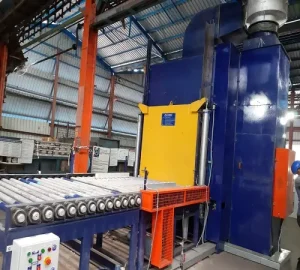
- Industrial Oven Manufacturers used for drying, curing, ageing and thermal processing applications
Types of Ovens Offered
Manufacturing plants need different heating methods depending on production flow and material type. The following systems are widely used:
- Bogie Type Ovens
- Composite Curing Ovens
- Curing Ovens
- Drying Ovens
- Core Drying Ovens
- Preheat Ovens
- Annealing Ovens
- Ageing Ovens
- Conveyor Ovens
- Hydrogen Embrittlement Ovens
- Tempering Ovens
- Paint Baking Ovens
- Powder Coating Ovens
Each model supports specific applications, from light-duty drying to heavy metal heat treatment.
“Consistent temperature control is the backbone of every successful heat treatment process.”
Heating Methods and Technology
Heating efficiency directly impacts productivity and cost control. These ovens are available in two main heating media options:
Electrically Heated Systems
Electric systems use resistive Cartridge type or Tubular type heating elements placed along the side walls, back walls, or roof of the chamber. This setup ensures:
- Uniform heat distribution
- Accurate temperature control
- Cleaner operation
- Low maintenance
Fuel Fired Systems
Fuel-fired systems operate with high-efficiency burners supported by a complete combustion system with safety arrangements. These ovens provide:
- Faster heat-up rates
- High thermal efficiency
- Strong performance for large capacities
Both systems maintain stable heating conditions required for industrial processes.
Construction and Performance Features
Strong build quality ensures durability under continuous operation. The structure withstands operational stress in demanding factory environments.
Key Features
- Rigid and strong construction
- Temperature up to 450°C
- In-house manufactured tubular heaters
- Direct or indirect firing
- High-quality energy-saving insulation
- Powerful airflow for uniform heating
- Exhaust damper for ventilation and faster cooling
- IP65 standard control panel
- Fully automated PLC-based SCADA system with HMI interface
The airflow system plays a major role in maintaining chamber uniformity. Proper circulation eliminates hot and cold spots and improves process consistency.
Standard vs Custom Models
Factories often choose between standard and custom-built systems depending on their needs.
Standard Models
Standard batch and continuous ovens come in multiple sizes. These models provide:
- Proven industrial performance
- Quick delivery
- Cost-effective solutions
- Tested safety systems
Custom Models
Custom systems are built according to specific process requirements. Engineers design exhaust systems based on moisture release rates and safety conditions. Multiple heat zones can be added to increase drying efficiency.
Custom-built units help manufacturers meet exact production demands without compromising safety.
Industrial Applications
An Industrial Oven supports a wide range of thermal processes across industries.
Major Industries Served
- Aerospace
- Composites
- Automotive
- Electric Motor & Transformers
- Foundry
- Heat Treating Units
- Aluminium Ageing Plants
Common Heat Processes
- Drying
- Preheating
- Annealing
- Tempering
- Ageing
- Stress Relieving
- Powder Coating
- Paint Baking
- Curing Coatings
- Curing Resins and Epoxies
- Shrink Fitting
- Die Heating
- Baking
These processes improve mechanical strength, surface finish, coating durability, and structural stability of components.
Technical Overview Table
| Feature | Specification |
| Temperature Range | 50°C to 450°C |
| Capacity | Up to 200 MT |
| Heating Media | Electric / Fuel Fired |
| Control System | PLC based SCADA with HMI |
| Insulation | Energy Saving High Quality |
| Air Circulation | Powerful Uniform Airflow |
| Cooling | Exhaust Damper System |
Why Temperature Uniformity Matters
Uniform heating ensures:
- Better coating adhesion
- Improved metal strength
- Reduced rejection rate
- Consistent curing results
- Controlled stress relieving
Without proper airflow and insulation, temperature variation can damage products. High-quality insulation also reduces energy consumption and improves efficiency.
Automation and Control System
Modern ovens include advanced automation systems. The PLC-based SCADA system with HMI interface allows operators to:
- Monitor temperature
- Set heating cycles
- Track performance
- Improve safety compliance
The IP65 standard control panel protects internal components from dust and moisture. This increases equipment life and reduces maintenance downtime.
Advantages of Using an Industrial Heating System
- Improves production speed
- Ensures product quality
- Reduces manual errors
- Saves energy
- Handles heavy loads
- Supports continuous production
Industries that depend on accurate heating rely on these systems to maintain consistent output.
Frequently Asked Questions
What temperature range does an Industrial Oven support?
Most systems operate between 50°C and 450°C depending on the application.
Which industries use these ovens?
Automotive, aerospace, foundry, heavy engineering, aluminium ageing, and electrical industries widely use them.
What is the difference between electric and fuel-fired systems?
Electric systems use heating elements for clean and precise control, while fuel-fired systems use burners for high efficiency and faster heating.
Can I get a custom-built system?
Yes, custom systems are designed according to process requirements, moisture levels, and safety standards.
How does airflow improve performance?
Powerful airflow ensures uniform heat distribution, preventing uneven curing or stress.