
What Is a Gas Fired Furnace and How Does It Work in Industry?
If you’ve spent time around heat treatment shops or heavy engineering plants, you’ve probably seen a Gas Fired Furnace in action. It’s one of the most widely used systems for industrial heating, and for good reason—it offers strong performance, flexibility, and reliable temperature control.
In real production, I’ve seen plants switch from electric to gas fired systems mainly for one reason: efficiency at scale. When you’re running large loads or continuous operations, gas fired furnaces often make more practical sense.
Let’s break this down in a simple, practical way—how a gas fired furnace works, where it fits best, and what actually matters when you operate one.
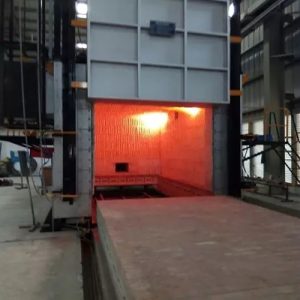
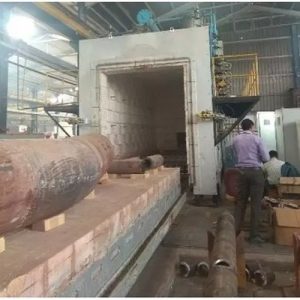
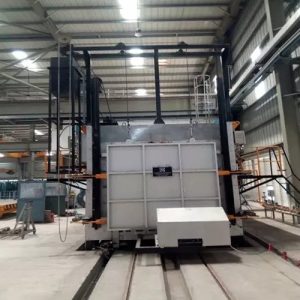
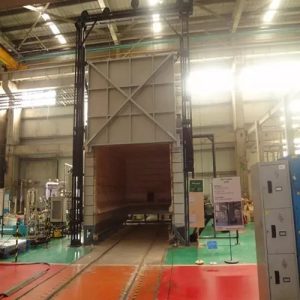
What Is a Gas Fired Furnace?
A Gas Fired Furnace uses fuel like LPG, natural gas, or furnace oil to generate heat through burners. The heat is then transferred to the material inside the furnace for various heat treatment processes.
What actually happens is:
- Fuel mixes with air in a controlled ratio
- Burners ignite the mixture
- Heat is generated and circulated inside the furnace
This process allows industries to reach high temperatures efficiently, often up to 1300°C depending on the design.
How a Gas Fired Furnace Works in Practice
1. Combustion System – The Heart of the Furnace
The combustion system controls how fuel burns inside the furnace.
It typically includes:
- Burners
- Gas train (valves, regulators, safety switches)
- Combustion air fan
- Ignition system
In real production, the quality of combustion directly affects:
- Temperature stability
- Fuel consumption
- Product quality
One common issue I’ve seen is improper air-fuel ratio. If it’s not balanced, you either waste fuel or get incomplete combustion.
2. Burner Technology and Heat Generation
Modern gas fired furnaces use:
- High-efficiency burners
- Pulse firing systems
- High velocity burners
What this means in practice:
- Faster heating cycles
- Better heat distribution
- Improved temperature uniformity
Pulse firing, in particular, helps maintain consistent temperature by switching burners on and off in a controlled pattern.
3. Heat Distribution Inside the Furnace
Generating heat is one thing—distributing it evenly is another.
Gas fired furnaces use:
- High velocity air circulation
- Recirculation fans
- Optimized burner placement
What actually happens is hot gases circulate continuously, ensuring:
- Uniform temperature across the load
- No hot or cold spots
From experience, poor circulation is one of the main reasons for uneven heat treatment results.
4. Temperature Control and Automation
Modern systems rely on:
- PLC-based control
- SCADA monitoring
- PID temperature controllers
Operators can:
- Set precise temperature profiles
- Monitor real-time data
- Maintain repeatable cycles
In real production, automation reduces human error significantly. You don’t depend on manual adjustments anymore.
5. Safety Systems in Gas Fired Furnaces
Since gas is involved, safety becomes critical.
Standard safety features include:
- Flame failure detection
- Auto shut-off valves
- Pressure switches
- Interlock systems
What actually happens is the system shuts down immediately if something goes wrong. This prevents accidents and protects both equipment and operators.
Types of Gas Fired Furnaces Used in Industry
Gas fired furnaces are not limited to one design. Depending on the application, they can be:
- Chamber furnaces
- Bogie hearth furnaces
- Continuous furnaces
- Batch type furnaces
In real production, the choice depends on:
- Load size
- Production volume
- Type of heat treatment
Fuel Options and Flexibility
One of the biggest advantages of a gas fired furnace is fuel flexibility.
You can use:
- Natural Gas (PNG)
- LPG
- Furnace Oil
- Light Diesel Oil (LDO/HSD)
- Dual fuel combinations
This flexibility helps industries adapt based on:
- Fuel availability
- Cost fluctuations
I’ve seen plants switch between fuels depending on market conditions, which is not possible with electric systems.
Energy Efficiency in Gas Fired Furnaces
Energy efficiency is where modern gas fired furnaces really improve.
Recuperators
- Preheat incoming air using exhaust heat
- Improve fuel efficiency
Regenerative Burners
- Recover more heat from exhaust gases
- Achieve higher air preheat temperatures
Self-Recuperative Burners
- Compact and efficient
- Reduce overall energy loss
What actually happens is less fuel is required to reach the same temperature, which reduces operating cost.
Common Industrial Applications
Gas Fired Furnaces are used across multiple industries for processes like:
- Annealing
- Normalizing
- Hardening
- Tempering
- Stress relieving
- Solution annealing
- Reheating
In real production, these furnaces are widely used in:
- Steel plants
- Forging industries
- Automotive manufacturing
- Heavy engineering
For example, reheating furnaces in forging units rely heavily on gas firing due to high throughput requirements.
Construction and Design Features That Matter
✔ Heavy-Duty Structure
Built using reinforced steel for long-term durability.
✔ High-Quality Insulation
Ceramic fiber modules reduce heat loss and improve efficiency.
✔ Sealed Doors and Openings
Prevent cold air ingress, which can affect temperature stability.
✔ Flexible Furnace Design
Available in different sizes and configurations depending on load requirements.
Advantages of Gas Fired Furnaces
1. Cost-Effective for Large Operations
Gas is often cheaper than electricity for high-volume heating.
2. Faster Heating Rates
High flame temperatures allow quicker heat-up times.
3. Fuel Flexibility
Multiple fuel options provide operational flexibility.
4. High Temperature Capability
Suitable for demanding industrial processes.
5. Reliable Performance
With proper setup, these furnaces run consistently for long hours.
Practical Challenges (Based on Real Experience)
Let’s be realistic—gas fired furnaces also come with challenges.
Air-Fuel Ratio Issues
Incorrect settings can lead to inefficiency or poor heating.
Maintenance of Burners
Burners require regular inspection and cleaning.
Heat Loss if Poorly Insulated
Old furnaces lose efficiency quickly.
Safety Risks if Not Maintained
Gas leaks or faulty systems can be dangerous.
But with proper maintenance and control systems, these issues are manageable.