
Heat Treatment Furnace for Efficient Metal Processing
Heat Treatment Furnace technology plays a major role in modern metal processing industries. Have you ever wondered how metal components become stronger, tougher, and more durable without changing their shape? The answer lies in the controlled heating and cooling process performed inside a heat treatment furnace.
At JR Furnace, advanced furnace systems are designed to deliver accurate temperature control, uniform heating, and reliable performance for various industrial applications. These systems help industries improve metal properties such as strength, hardness, ductility, and wear resistance.
“Heat treatment is not just heating metal; it is a precise process that transforms the internal structure of materials for better performance.”
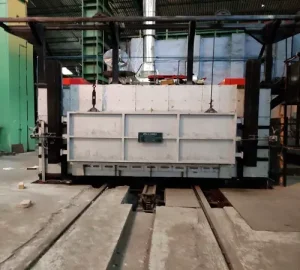
What Is a Heat Treatment Furnace
A heat treatment furnace is an industrial heating system used to raise metals to a specific temperature and then cool them under controlled conditions. This process changes the physical and mechanical properties of metals while maintaining their original shape.
The process is widely used in industries such as:
- Automotive manufacturing
- Aerospace engineering
- Tool production
- Foundry operations
- Heavy engineering industries
JR Furnace develops reliable systems that ensure accurate heating cycles and consistent performance in demanding industrial environments.
Why Heat Treatment Furnace Is Important in Metal Processing
Modern manufacturing requires materials that can withstand stress, high temperature, and wear. A heat treatment furnace in India is widely used to improve these properties without altering the design of the metal component.
Key Benefits
- Improves metal strength and hardness
- Enhances machinability
- Restores ductility after cold working
- Reduces internal stress in materials
- Improves wear resistance
Because of these advantages, many industries depend on reliable heat treatment furnace manufacturers to supply advanced equipment.
Types of Heat Treatment Furnaces
Different manufacturing processes require different heating methods. Therefore, several types of heat treatment furnaces are used depending on the metal treatment process.
Common Heat Treatment Furnace Types
| Furnace Type | Primary Application |
| Ageing Furnace | Strengthening metal alloys |
| Annealing Furnace | Softening metal for machining |
| Stress Relieving Furnace | Removing internal stress |
| Quenching Furnace | Rapid cooling after heating |
| Tempering Furnace | Reducing brittleness |
| Gas Carburizing Furnace | Hardening steel surfaces |
| Bell Furnace | Batch heat treatment processes |
These heat treatment furnace types are commonly used in engineering and foundry industries.
Heat Treatment Furnace Diagram and Working Principle
A simplified heat treatment furnace diagram usually includes several important components that work together to maintain precise temperature conditions.
Major Furnace Components
- Heating chamber
- Burners or electric heaters
- Insulation lining
- Temperature sensors
- Control panel with PLC system
- Loading mechanism
Working Process
- Metal parts are loaded into the furnace chamber.
- The furnace heats the materials to the required temperature.
- The system maintains the temperature using automatic controls.
- Cooling or quenching is performed depending on the treatment process.
Accurate control of heating and cooling cycles ensures the desired metallurgical transformation.
Applications of Heat Treatment Furnaces
A heat treatment furnace in India is widely used in several industrial sectors for improving metal quality.
Major Industrial Applications
- Annealing
- Normalizing
- Hardening
- Tempering
- Solution treatment heating
- Forge heating
- Stress relieving
- Aluminium solutionising
These applications help manufacturers achieve the required mechanical properties for different metal components.
Important Features of Modern Heat Treatment Furnaces
Modern furnace systems are designed with advanced automation and energy-efficient technology.
Key Features
- Temperature range up to 1400°C
- Single zone or multi-zone heating chambers
- High density ceramic fibre insulation
- Fast heating and recovery rates
- PLC based SCADA control system
- Pneumatic sealing systems to reduce heat loss
- Automated temperature monitoring
“Accurate temperature uniformity is the foundation of reliable heat treatment results.”
These features help industries maintain consistent product quality.
Heat Treatment Furnace Specifications
Below is an overview of typical furnace capabilities used in industrial applications.
| Specification | Details |
| Temperature Range | Up to 1400°C |
| Heating Media | Electric / Gas / Oil fired |
| Batch Capacity | Up to 200 MT |
| Temperature Uniformity | ±3°C |
| Control System | PLC based SCADA |
| Insulation | Ceramic fibre modules |
Such specifications make these systems suitable for heavy industrial processes.
Factors That Affect Heat Treatment Furnace Price
The heat treatment furnace price depends on several technical and operational factors.
Major Pricing Factors
- Furnace size and capacity
- Temperature range requirements
- Heating media (electric, gas, oil)
- Automation level
- Number of heating zones
- Special atmosphere control systems
Larger furnaces with advanced control systems usually have a higher heat treatment furnace price because they support complex industrial processes.
Key Capabilities of JR Furnace Systems
JR Furnace develops customized furnace solutions designed for high productivity and reliable performance.
Major Advantages
- Customized heat treatment solutions
- High energy efficiency
- Robust industrial construction
- Uniform temperature distribution
- PLC controlled automation
- Advanced safety systems
- Remote monitoring capability
These systems support both ferrous and non-ferrous metal processing applications.
Automation and Control Systems
Modern furnaces rely heavily on digital control systems for accurate process management.
Automation Features
- Auto cycle control with ramp, soak, and cool profiles
- Multiple profile memory storage
- PID temperature control
- Multi-input multi-output system
- Real-time temperature data logging
- SCADA monitoring system
Automation reduces human error and improves process reliability.
Industrial Standards and Calibration
Industrial furnaces must meet strict quality and performance standards.
Common calibration standards include:
- NADCAP
- CQI-9
- AMS2750
- API standards
These standards ensure reliable heating performance and accurate temperature uniformity across the furnace chamber.
Heat Treatment Furnace Mechanization
Mechanical systems help move heavy loads safely inside large furnaces.
Mechanization Components
- Motor driven trolley systems
- Counterweight furnace doors
- Pneumatic sealing mechanisms
- Hydraulic hoist systems
These systems ensure smooth loading and unloading of heavy materials.
Frequently Asked Questions
What is a heat treatment furnace used for
A heat treatment furnace is used to heat and cool metals in a controlled way to improve their strength, hardness, and durability without changing their shape.
What are the common heat treatment furnace types
Common heat treatment furnace types include annealing furnaces, tempering furnaces, quenching furnaces, ageing furnaces, and carburizing furnaces.
What industries use heat treatment furnaces
Industries such as automotive, aerospace, tool manufacturing, foundries, and heavy engineering commonly use heat treatment furnaces.
What affects the heat treatment furnace price
The heat treatment furnace price depends on furnace size, temperature range, automation features, heating system, and insulation design.
Who are heat treatment furnace manufacturers
Heat treatment furnace manufacturers design and build industrial furnace systems used for metal processing and heat treatment applications.
Heat treatment technology continues to play a crucial role in improving metal performance across modern industries. Advanced furnace systems ensure precise temperature control, consistent heating, and reliable metallurgical transformation for high-quality industrial production.