
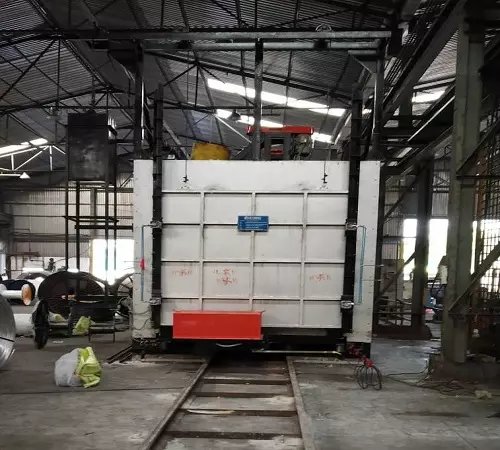
Industrial furnaces operate at extremely high temperatures, and maintaining this heat requires a large amount of energy. Many industries such as steel manufacturing, metal processing, and heat treatment depend on furnaces for consistent production. However, one major challenge in furnace operation is energy loss. When heat escapes from the furnace chamber, the system consumes more electricity or fuel to maintain the required temperature. This is where furnace insulation plays a crucial role.
Furnace insulation acts as a protective barrier that slows down the movement of heat from the hot interior of the furnace to the cooler surrounding environment. By preventing heat escape, insulation helps the furnace maintain the required processing temperature while consuming less energy. Proper insulation design not only improves energy efficiency but also increases furnace performance, safety, and operational life.
For industries that rely on consistent heating processes, understanding how furnace insulation reduces energy loss can lead to significant improvements in productivity and operating costs.
What Is Furnace Insulation?
Furnace insulation refers to specialized high-temperature materials installed inside furnace walls, roofs, and floors to reduce heat transfer. These materials have low thermal conductivity, which means they do not allow heat to pass through easily.
Common furnace insulation materials include ceramic fiber, insulating fire bricks, refractory materials, and high-temperature insulation pads. These materials create a high-resistance thermal barrier that prevents heat from escaping the furnace chamber.
When insulation works efficiently, the heat generated inside the furnace remains contained. This allows the furnace to maintain stable temperatures using less energy, which directly reduces operating costs.
Key Mechanisms That Reduce Energy Loss
Furnace insulation reduces energy loss by controlling the three main forms of heat transfer: conduction, convection, and radiation. Each of these mechanisms plays a role in how heat moves inside and outside the furnace.
Restricting Heat Conduction
Conduction is the process where heat travels through solid materials. Without proper insulation, heat easily moves through furnace walls and escapes into the surrounding environment.
Insulation materials such as ceramic fiber or insulating bricks contain microscopic air pockets. Air is naturally a poor conductor of heat, so these trapped air pockets slow down the flow of heat through the furnace walls. As a result, less heat escapes and more energy stays inside the furnace chamber.
Limiting Heat Convection
Convection occurs when heat transfers through moving air or gases. In a poorly insulated furnace, hot air can escape through small gaps or porous materials, carrying valuable heat energy with it.
High-quality furnace insulation materials are designed with dense or closed-cell structures that limit airflow. These structures prevent hot gases from circulating out of the furnace chamber. By stopping this heat movement, insulation ensures that the furnace maintains stable internal temperatures.
Controlling Radiant Heat Loss
Radiation is another major form of heat transfer in high-temperature furnaces. Heat energy radiates outward from hot surfaces inside the furnace.
Special insulation materials include reflective coatings or layers that bounce radiant heat back into the furnace chamber. Instead of allowing radiant heat to escape, the insulation reflects it toward the material being processed. This helps maintain consistent furnace temperatures and improves energy efficiency.
Minimizing Heat Storage in Furnace Walls
Traditional heavy insulation materials absorb a large amount of heat before the furnace reaches operating temperature. This stored heat does not contribute to the heating process and results in wasted energy.
Modern furnace insulation materials, such as lightweight ceramic fibers, have low thermal mass. This means they absorb very little heat. Most of the energy generated by the furnace goes directly into heating the metal or material being processed instead of heating the furnace walls.
Because of this property, furnaces with advanced insulation heat up faster and require less energy to maintain temperature.
Preventing Thermal Leaks
Thermal leaks are another major cause of energy loss in industrial furnaces. These leaks occur when hot air escapes through poorly sealed doors, joints, or cracks in the furnace structure.
High-temperature seals, gaskets, and insulation pads help close these gaps and prevent heat from escaping. Proper sealing keeps the furnace chamber airtight, which significantly reduces energy loss.
When thermal leaks are eliminated, the furnace can operate more efficiently and maintain temperature stability during heating cycles.
The Impact of Insulation on Furnace Energy Consumption
Energy consumption is a major concern for industries that rely on high-temperature heating processes. Furnaces, especially induction furnaces, require large amounts of electricity to melt or heat metals.
If the furnace insulation becomes worn, cracked, or damaged, the system loses heat continuously. To compensate for this heat loss, the furnace must consume more energy to maintain the required temperature.
This leads to:
- Increased electricity consumption
- Longer heating cycles
- Higher operating costs
- Reduced productivity
Even small insulation problems can result in significant energy waste when a furnace operates for many hours every day.
Operational Benefits of Proper Furnace Insulation
Good furnace insulation provides several operational advantages beyond energy savings.
Faster Heating Cycles
When heat loss is minimized, the furnace reaches the target temperature more quickly. Faster heating cycles allow industries to process more materials in less time, increasing overall productivity.
Improved Temperature Uniformity
Uniform heat distribution inside the furnace chamber is essential for high-quality heat treatment and metal processing. Effective insulation helps maintain consistent temperatures throughout the furnace.
This reduces defects, improves product quality, and minimizes material waste.
Longer Furnace Life
Rapid heating and cooling cycles can create thermal stress inside furnace structures. This stress can lead to cracks, lining damage, or mechanical failure.
Proper insulation stabilizes internal temperatures and reduces thermal shock. This protects furnace components and extends the overall life of the equipment.
Improved Workplace Safety
Industrial furnaces generate intense heat. Without proper insulation, the outer surface of the furnace can become extremely hot, creating safety hazards for workers.
Effective insulation lowers external furnace temperatures, making the working environment safer. It also reduces ambient heat in the workplace, improving overall working conditions.
How Furnace Insulation Supports Energy Efficiency in Steel Plants
Steel manufacturing requires precise temperature control during melting, refining, and casting processes. Any temperature fluctuations can affect metal quality and increase processing time.
Good furnace insulation ensures stable heating conditions throughout the steel manufacturing process. By keeping heat inside the furnace, insulation reduces energy consumption while maintaining consistent melt temperatures.
Many steel plants have reported significant reductions in electricity consumption after upgrading their furnace insulation systems. Even a small improvement in insulation efficiency can lead to major savings over time.
Maintaining Furnace Insulation for Maximum Performance
To maintain energy efficiency, furnace insulation must be inspected regularly. Over time, insulation materials can degrade due to extreme temperatures, chemical exposure, or mechanical wear.
Regular inspection helps identify problems such as cracks, thinning insulation, or damaged seals. Replacing worn insulation materials ensures that the furnace continues to operate efficiently.
Routine maintenance also prevents larger problems that could affect furnace performance or cause unexpected downtime.
How Jr Furnace Supports Efficient Furnace Insulation
Modern industrial furnaces require advanced insulation solutions to operate efficiently in high-temperature environments. At Jr Furnace, insulation design plays a key role in improving furnace efficiency and performance.
By using high-quality insulation materials and proper furnace construction techniques, Jr Furnace systems help industries reduce heat loss, improve temperature stability, and lower energy consumption.
Efficient insulation ensures that more heat remains inside the furnace chamber, allowing industrial processes to run smoothly and cost-effectively.