

Chamber Furnace
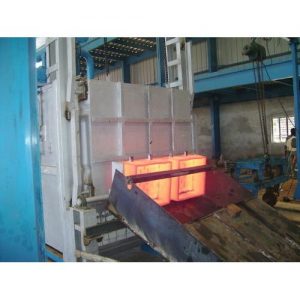
We are Leading Chamber Furnace Manufacturers in India. Chamber furnaces are used for batch type operations. Components can be directly kept for heat treating, or trays and fixtures can be provided as well. These furnaces can operate up to 1900°C. They can be of rugged, refractory based construction or lightweight ceramic fiber board and insulation based construction.
Read More
Chamber Furnace Manufacturers in India.
Have you ever wondered how industries achieve precise heat treatment results at extremely high temperatures?
Modern manufacturing depends heavily on controlled heating systems, and this is where a Chamber Furnace plays a critical role. From hardening steel components to sintering powder metallurgy parts, these furnaces offer consistent heating, durability, and flexibility for a wide range of industrial processes.
A chamber furnace can operate at temperatures up to 1800°C, making it suitable for demanding thermal applications. Manufacturers build these furnaces using rugged refractory brick construction or lightweight ceramic fiber insulation systems, depending on process needs. The design ensures uniform heat distribution, energy efficiency, and long service life.
Understanding the Working Principle
A chamber furnace works by generating heat through electrical resistance heating elements placed strategically inside an insulated chamber. The heat circulates within the enclosed space, ensuring even temperature distribution across the load.
The furnace structure typically includes:
- Heavy-duty outer steel casing
- High-grade insulation (ceramic fiber or refractory brick)
- Advanced temperature control systems
- Reliable heating elements
The heating elements may include:
- Nichrome wire
- Special alloy resistance heating wire
- Silicon carbide rods
- Molybdenum disilicide elements
- Molybdenum wire
If silicon carbide elements are used, they can be spiral or circular rods. Molybdenum disilicide elements often come in U-shaped or W-shaped profiles. The choice depends on temperature requirements and processing conditions.
“Precision heating is not just about temperature; it is about control, uniformity, and repeatability.”
Key Features and Specifications
Below is a quick overview of the typical specifications:
| Feature | Description |
| Temperature Range | Up to 1800°C |
| Door Design | Hinge Type / Vertical Lifting |
| Insulation | Ceramic Fibre Boards / Blanket & Module / Refractory Brick Lining |
| Heating Elements | Nichrome / Special Alloy / Silicon Carbide / Molybdenum Di-Silicide |
| Instrumentation | Thyristor, Programmable Controller, PLC, SCADA, HMI |
These features allow industries to maintain accurate heating cycles and achieve consistent product quality.
Types of Construction
Refractory Brick Construction
This design offers:
- High mechanical strength
- Excellent heat retention
- Long operational life
- Ideal for heavy industrial loads
Ceramic Fiber Insulation
This option provides:
- Faster heating cycles
- Reduced energy consumption
- Lightweight structure
- Improved temperature uniformity
Each design serves specific operational needs depending on production volume and temperature range.
Industrial Applications
A chamber furnace supports multiple industries because of its versatile temperature control and flexible design.
Heat Treatment Applications
- Hardening
- Tempering
- Annealing
- Isothermal Annealing
- Post Weld Heat Treatment
- Stress Relieving
- Wire Annealing
- Normalizing
- Carburizing
- Case Hardening
- Carbonitriding
- Decarb Annealing
- Ferritic Nitro Carburizing
- Blueing
- Austempering
- Austenitizing
Aluminium Applications
- Solution Annealing
- Homogenizing
- Billet Heating
- Die Heating
Powder Metallurgy Applications
- Pre-Sintering
- Sintering
- Debinding
- Delubing
- Dewaxing
Other Applications
- Brazing
- Mould Heating
- Core Heating
- Carbonization
- Laboratory Testing
- Calciners
Because of its wide temperature range and uniform heating chamber, industries rely on this system for consistent metallurgical results.
Advanced Control and Instrumentation
Modern chamber furnace systems use intelligent instrumentation to improve accuracy and safety.
Common Control Systems
- Programmable Temperature Controllers
- Thyristor Power Regulators
- Temperature Recorders
- PLC Automation
- SCADA Monitoring
- HMI Interfaces
These systems allow operators to:
- Set precise heating profiles
- Monitor temperature in real time
- Reduce human error
- Maintain repeatability
Automation improves productivity while reducing downtime.
Customization Options
Every industrial process has unique thermal requirements. Manufacturers offer customized options such as:
- Top opening design
- Multi-chamber furnace configuration
- Protective atmosphere capability
- Custom chamber dimensions
- Specialized heating element arrangement
You can choose size, temperature rating, and control features based on your production goals.
Benefits of Using a Chamber Furnace
Here are the major advantages:
- Uniform heat distribution
- High temperature capability up to 1800°C
- Energy-efficient insulation systems
- Flexible door design options
- Wide industrial application range
- Long service life
- Reliable process control
Because of these benefits, industries prefer this furnace for heavy-duty and precision heating applications.
Why Choose JrFurnace?
When selecting a reliable manufacturer, experience and engineering quality matter. JrFurnace focuses on delivering high-performance heating systems that meet industrial standards.
You receive:
- Custom-built furnace solutions
- Strong after-sales support
- Advanced automation integration
- Consistent build quality
- Process-specific design assistance
JrFurnace does not simply supply equipment. The company builds dependable heating solutions that help industries improve productivity and maintain quality standards.
Maintenance and Operational Tips
To ensure long furnace life:
- Inspect heating elements regularly
- Check insulation for wear
- Calibrate temperature controllers periodically
- Maintain door seals properly
- Avoid overloading the chamber
Regular maintenance reduces breakdown risks and improves operational efficiency.
Frequently Asked Questions
What temperature can a chamber furnace reach?
A chamber furnace can operate up to 1800°C, depending on the heating elements and insulation design.
Which industries use this furnace?
Industries such as automotive, aerospace, aluminium processing, powder metallurgy, and laboratories commonly use it.
What heating elements are used?
Common options include nichrome wire, silicon carbide rods, and molybdenum disilicide elements.
Can the furnace be customized?
Yes. Manufacturers provide custom sizes, door types, temperature ranges, and control systems based on industrial requirements.
Is it suitable for heat treatment?
Yes. It supports hardening, annealing, tempering, carburizing, and many other heat treatment processes.