

Furnace Chamber Design Impacts Heat Treatment Quality
Industrial manufacturing depends heavily on precise heat treatment processes. Whether companies produce automotive parts, aerospace components, heavy forgings, or precision tools, they rely on heat treating furnaces to control the physical and mechanical properties of metals. However, one critical factor often overlooked is the furnace chamber design.
The chamber inside a heat treatment furnace directly influences how heat spreads, how materials react to temperature, and how consistently the process performs. When manufacturers choose the right chamber design, they achieve better hardness, strength, and durability in the final product.
In this article, we explore how furnace chamber design affects heat treatment quality, the role of temperature control, and the importance of choosing the right furnace configuration for industrial applications.
Understanding Heat Treatment and Its Role in Manufacturing
Before discussing furnace chamber design, it is important to understand the heat treatment process.
Heat treatment is a controlled process used to change the mechanical and physical properties of metals and alloys. Manufacturers heat materials to a specific temperature, hold them at that temperature for a defined time, and then cool them at a controlled rate.
This process helps industries achieve several important results:
- Improved hardness
- Increased strength
- Better wear resistance
- Enhanced toughness
- Reduced internal stresses
Processes such as annealing, tempering, hardening, normalization, and stress relieving rely heavily on precise temperature control. For this reason, heat treating furnaces play a crucial role in modern manufacturing.
However, even the most advanced furnace cannot deliver consistent results if the chamber design does not distribute heat evenly.
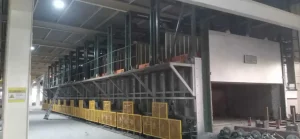
Why Furnace Chamber Design Matters in Heat Treatment
The furnace chamber is the enclosed area where materials undergo the heating and cooling cycle. Its design determines how effectively the furnace controls temperature, airflow, and heat distribution.
If the chamber design is poor, several problems may occur:
- Uneven heating of materials
- Distortion of metal components
- Inconsistent hardness levels
- Reduced product quality
A well-designed heat treatment furnace chamber ensures that every part inside the furnace receives the same temperature exposure. This consistency leads to reliable and repeatable results.
For industries such as aerospace, automotive, and tool manufacturing, this level of precision is essential.
How Heat Treating Furnaces Work
Modern heat treating furnaces use different heating technologies depending on the application. Common heating methods include:
- Gas burners
- Electrical resistance heaters
- Induction heating systems
These systems can achieve temperatures ranging from ambient temperature to about 1250°C, allowing manufacturers to perform various heat treatment processes.
Inside the furnace chamber, several components work together to maintain temperature uniformity:
- Heating elements
- Thermocouples for temperature monitoring
- Insulation materials
- Air circulation systems
Many furnaces also include forced air circulation or controlled cooling zones to maintain consistent heating conditions. These features help ensure that the entire material load experiences the same temperature conditions.
Key Elements of Furnace Chamber Design
Several design factors influence the performance of a heat treatment furnace chamber.
1. Temperature Uniformity
Temperature uniformity is one of the most critical aspects of heat treatment quality. If different areas of the furnace chamber experience different temperatures, the materials inside may not heat evenly.
A well-designed chamber allows heat to spread uniformly across the workspace. This ensures that every component receives the same thermal exposure.
Uniform heating prevents:
- Metallurgical defects
- Material distortion
- Inconsistent hardness levels
Industries that demand precision components rely heavily on this level of control.
2. Furnace Insulation
Proper insulation inside the furnace chamber reduces heat loss and improves energy efficiency.
High-quality insulation materials help the furnace:
- Maintain stable temperatures
- Reduce energy consumption
- Improve heating efficiency
Good insulation also protects the outer furnace structure from extreme temperatures, extending the equipment’s lifespan.
3. Airflow and Circulation
Air circulation plays a major role in distributing heat inside the furnace chamber.
Many heat treating furnaces include circulating fans that move hot air evenly throughout the chamber. This prevents hot and cold spots and improves temperature consistency.
Better airflow leads to:
- Uniform heating
- Improved process control
- Higher quality heat treatment results
4. Chamber Size and Geometry
The shape and size of the furnace chamber affect how heat moves inside the system.
A poorly sized chamber can cause:
- Overheating in certain areas
- Insufficient heating in others
Manufacturers must select the right chamber size based on:
- Workpiece dimensions
- Production volume
- Required heat treatment process
Proper chamber geometry ensures that heat spreads evenly across the entire workspace.
Types of Furnaces Used in Heat Treatment
Different furnace designs suit different industrial requirements. The chamber design varies depending on the application.
Bogie Hearth Furnaces
Bogie hearth furnaces use a movable cart or bogie that allows operators to load heavy materials easily.
These furnaces are commonly used for:
- Annealing
- Tempering
- Stress relieving large components
They are ideal for processing large castings, forgings, and weldments.
Chamber Furnaces
Chamber furnaces are enclosed heating systems where materials are placed inside a sealed chamber.
They offer:
- Excellent temperature control
- Uniform heating conditions
- Reliable batch processing
Industries frequently use them for hardening, annealing, and general heat treatment operations.
Pit Furnaces
Pit furnaces have a vertical design where components are placed inside a deep chamber.
These furnaces are particularly useful for:
- Large cylindrical components
- Long shafts and rods
- Heavy industrial parts
They provide efficient heating for large workpieces used in automotive and aerospace manufacturing.
Continuous Furnaces
Continuous furnaces allow materials to move through heating and cooling zones without interruption.
These systems are ideal for:
- High-volume manufacturing
- Automated production lines
- Consistent large-scale processing
Continuous furnaces improve productivity by reducing downtime between batches.
Additional Factors That Affect Heat Treatment Quality
Apart from chamber design, several other factors influence the performance of heat treatment furnaces.
Material Compatibility
Different metals react differently to heat. The furnace chamber materials must withstand high temperatures while resisting corrosion and oxidation.
Choosing compatible construction materials ensures:
- Longer furnace life
- Better process stability
- Reduced contamination risks
Temperature Range
Each heat treatment process requires a specific temperature range.
For example:
- Annealing requires controlled heating and slow cooling
- Hardening requires higher temperatures followed by rapid cooling
The furnace chamber must support the required temperature range for the process.
Energy Efficiency
Modern industries focus heavily on energy-efficient furnace design.
Efficient furnace chambers reduce heat loss and lower operational costs. Energy-efficient furnaces also support sustainable manufacturing practices.
Compliance With Industry Standards
Heat treatment operations must follow strict industry standards to ensure quality and safety.
Common standards include:
- AMS 2750 – Pyrometry requirements for thermal processing equipment
- NADCAP – Quality accreditation for aerospace manufacturing
- CQI-9 – Automotive heat treatment system assessment
Following these standards ensures reliable heat treatment results and improves product quality.
Maintenance for Long-Term Furnace Performance
Even the best furnace chamber design requires regular maintenance to maintain consistent performance.
Important maintenance practices include:
- Routine inspections
- Cleaning furnace interiors
- Monitoring temperature sensors
- Checking insulation materials
- Calibrating thermocouples
Regular maintenance helps maintain temperature uniformity and process accuracy.